Breaking the Signal Barrier
The human brain generates electrical activity through billions of neurons firing in complex patterns. For decades, scientists have dreamed of intercepting these signals to restore lost functions or augment human capabilities. That dream is finally becoming reality as brain-computer interfaces move from lab experiments to actual clinical applications that work.
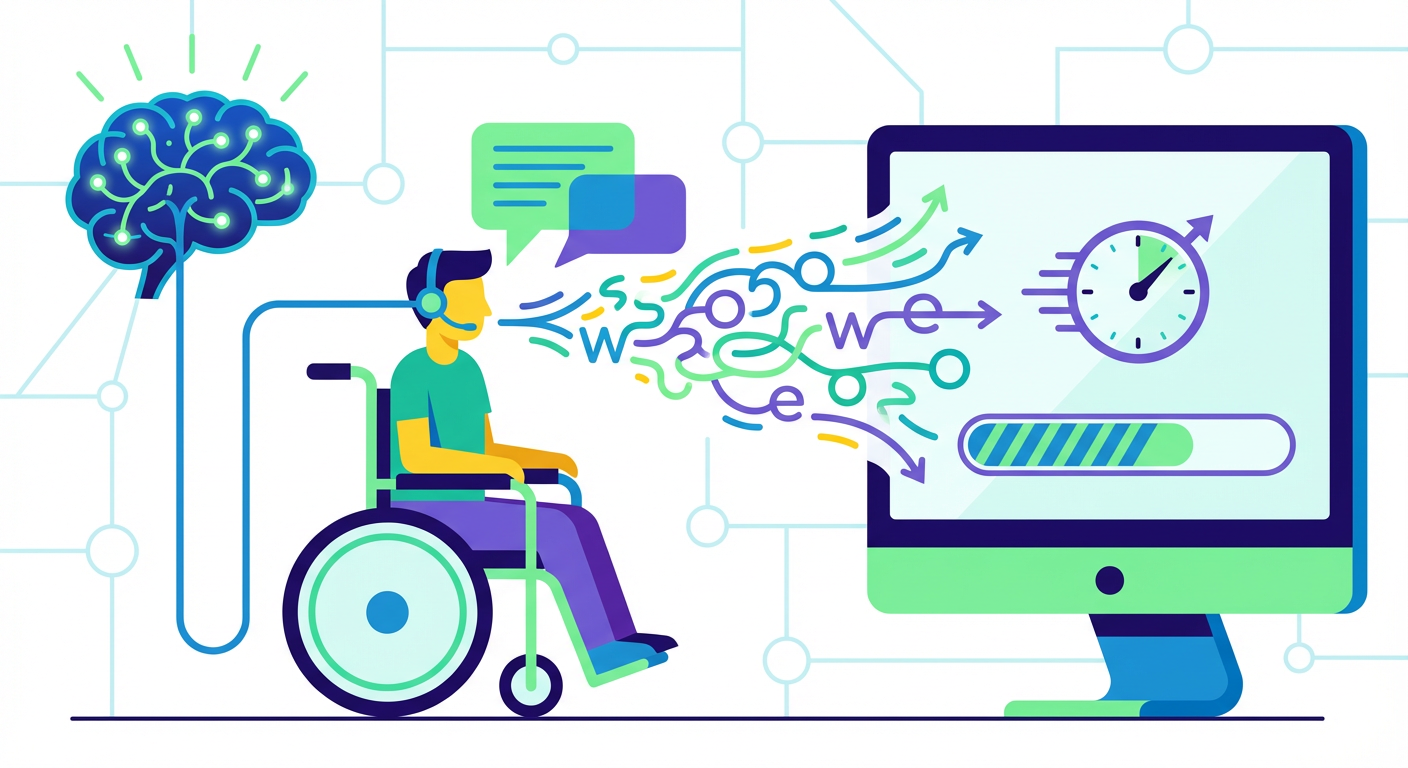
Recent breakthroughs show how quickly this technology is maturing. A participant in Neuralink’s first human trial successfully controlled a computer cursor using only neural signals. That’s a big deal for direct brain-to-machine communication. This achievement comes after years of refining electrode design, signal processing algorithms, and surgical techniques that can safely access the brain’s electrical activity.
Neuralink wasn’t first to market, though. Synchron got human implants working eighteen months earlier using a completely different approach. Their stent-based system threads through blood vessels rather than requiring open brain surgery. It’s interesting how multiple tech paths are leading to the same goal through totally different engineering solutions.
The Spectrum of Neural Access
Brain-computer interfaces range from completely external sensors to deeply implanted electrodes. Non-invasive systems using scalp electrodes have evolved into sophisticated commercial products. Gaming companies now offer thirty-two channel headsets that detect neural patterns for attention, focus, and basic motor intentions without any surgical intervention.
These external systems trade signal quality for safety and convenience. Brain signals must pass through skull and scalp, which weakens and distorts the electrical activity. But advances in machine learning algorithms increasingly make up for these limitations, pulling meaningful control signals from noisy data streams.
Invasive interfaces access neural signals directly, providing dramatically higher resolution and bandwidth. Research published in Nature Neuroscience journal continues documenting improvements in signal stability and decoding accuracy as electrode technologies mature. The trade-off involves surgical risks and the long-term challenge of maintaining stable connections with living neural tissue.
Restoring Communication Pathways
The most immediately transformative applications involve restoring communication for people with severe motor impairments. Neural decoding systems can now interpret intended speech patterns from brain activity, achieving typing speeds of eighty words per minute in paralyzed patients. This performance approaches natural conversation rates and represents a massive leap beyond previous assistive technologies.
The implications go beyond individual benefit. These systems generate vast datasets mapping the relationship between neural activity and intended actions. Each patient interaction trains algorithms that become more accurate and responsive, creating a positive feedback loop that speeds up progress across the entire field.
Memory enhancement is another frontier showing concrete results. Experimental memory prosthetics in human trials have demonstrated thirty percent improvements in recall performance. These systems record neural patterns during memory formation and replay them during retrieval, effectively amplifying the brain’s natural memory processes.
Engineering Challenges and Regulatory Realities
Technical hurdles remain substantial despite recent progress. Long-term biocompatibility continues to challenge implanted systems as the body’s immune response can degrade electrode performance over months or years. Power delivery, wireless data transmission, and surgical precision all need continued refinement before brain-computer interfaces achieve mainstream clinical adoption.
Regulatory frameworks struggle to keep pace with technological advancement. The FDA and European MDR systems lack clear pathways specifically designed for brain-computer interfaces, forcing developers to navigate approval processes originally created for traditional medical devices. This regulatory uncertainty slows development timelines and increases costs for companies pioneering these technologies.
The regulatory challenge reflects deeper questions about risk assessment when devices directly interface with the central nervous system. Unlike traditional implants that replace or support existing functions, brain-computer interfaces create entirely new capabilities that existing safety frameworks can’t easily evaluate.
Second-Order Consequences
The societal implications of successful brain-computer interfaces extend far beyond medical applications. As these systems become more capable and accessible, they will likely influence education, workplace dynamics, and fundamental concepts of human identity and capability.
Economic disruption seems inevitable as neural interfaces potentially compress learning curves and boost cognitive performance. Industries requiring rapid information processing, complex decision-making, or precise motor control may face transformation as enhanced humans compete alongside traditional workers.
Privacy and security concerns multiply when personal devices can access neural data. Brain-computer interfaces generate unprecedented insights into human thoughts, emotions, and intentions. Protecting this information requires new cybersecurity approaches and legal frameworks that don’t yet exist.
The technology also raises questions about cognitive equity and access. If neural enhancement becomes available but expensive, it could create new forms of inequality based on augmented versus natural human capabilities. IEEE Spectrum brain-computer interfaces coverage highlights ongoing debates about ensuring fair access to these transformative technologies.
The neural revolution is unfolding through incremental advances that collectively represent a fundamental shift in human-machine interaction. While current applications focus primarily on restoration and assistance, the underlying technologies are developing capabilities that will likely enable enhancement and augmentation. Understanding both the immediate possibilities and longer-term implications helps us navigate this transition thoughtfully, ensuring that brain-computer interfaces develop in ways that benefit rather than divide humanity.